
Music Therapy at Third Street
Bringing the transformative power of music therapy to our community.
What Does Music Therapy Look Like at Third Street?
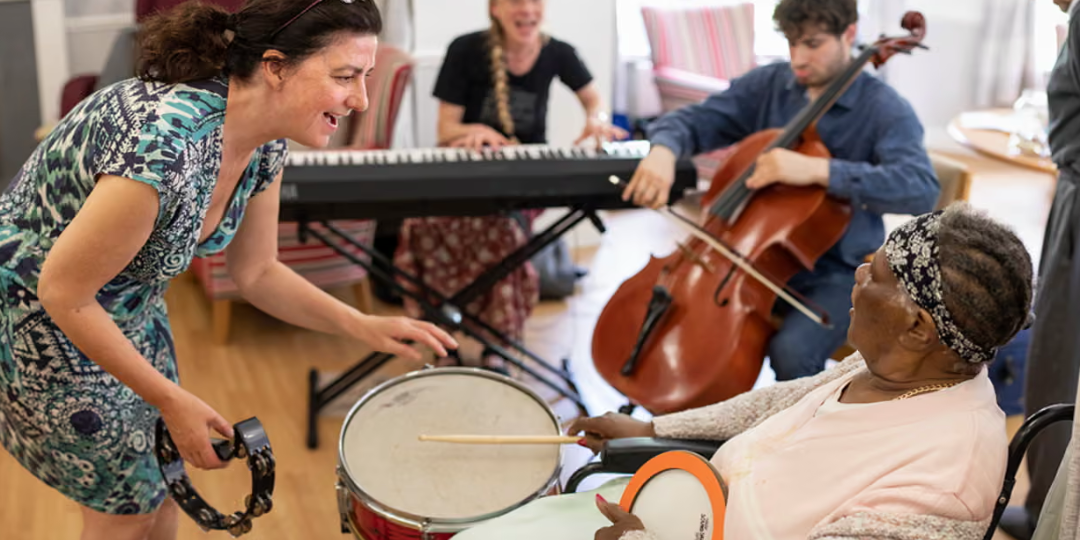
Music therapy at Third Street is engaging, creative, interactive, and individualized. Sessions are designed around each participant's strengths, interests, and therapeutic goals.
While every session is unique, participants may engage in a variety of musical experiences, including singing, playing instruments, movement, improvisation, songwriting, rhythm activities, and listening to music. Activities are thoughtfully adapted to support each individual's goals and unique relationship with music.
How Can Music Therapy Help?
Music naturally engages multiple areas of functioning, including movement, communication, attention, memory, emotion, and social interaction, making it a unique therapeutic medium for supporting individualized goals.
Music Therapy may help support:
- Communication and language skills
- Emotional expression and self-regulation
- Social interaction and relationship building
- Attention, memory, and cognitive functioning
- Motor coordination, balance, and movement
- Sensory processing
- Coping, resilience, and overall quality of life
What is Music Therapy?
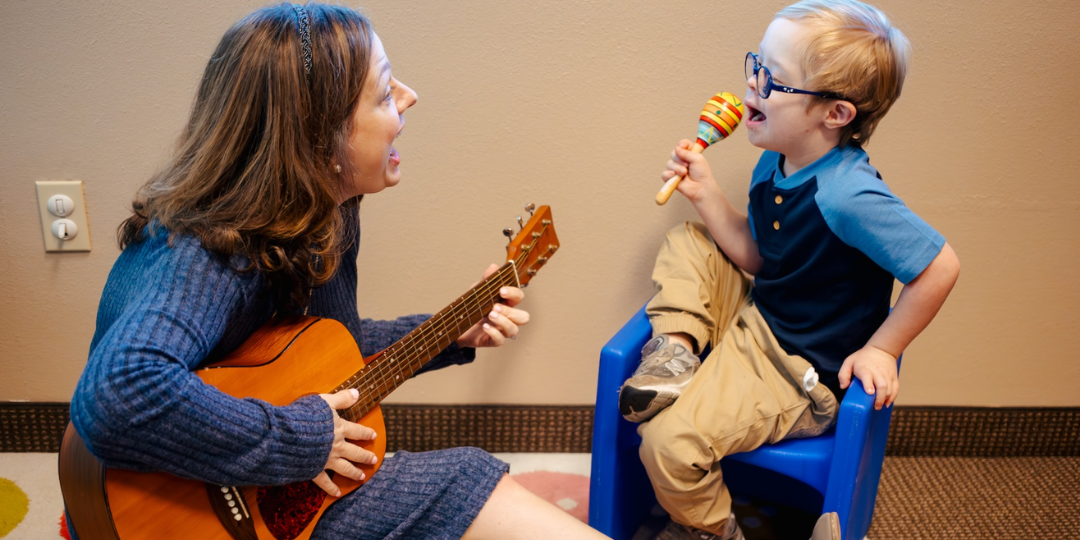
Music therapy is a creative, evidence-based health profession in which board-certified music therapists intentionally use music within a therapeutic relationship to support an individual's strengths, needs, and goals.
Through shared musical experiences, including singing, playing instruments, songwriting, movement, improvisation, and listening to music, participants of all abilities can develop communication, emotional, social, cognitive, physical, and behavioral skills in ways that honor each person's unique relationship with music.
Who Can Benefit from Music Therapy?
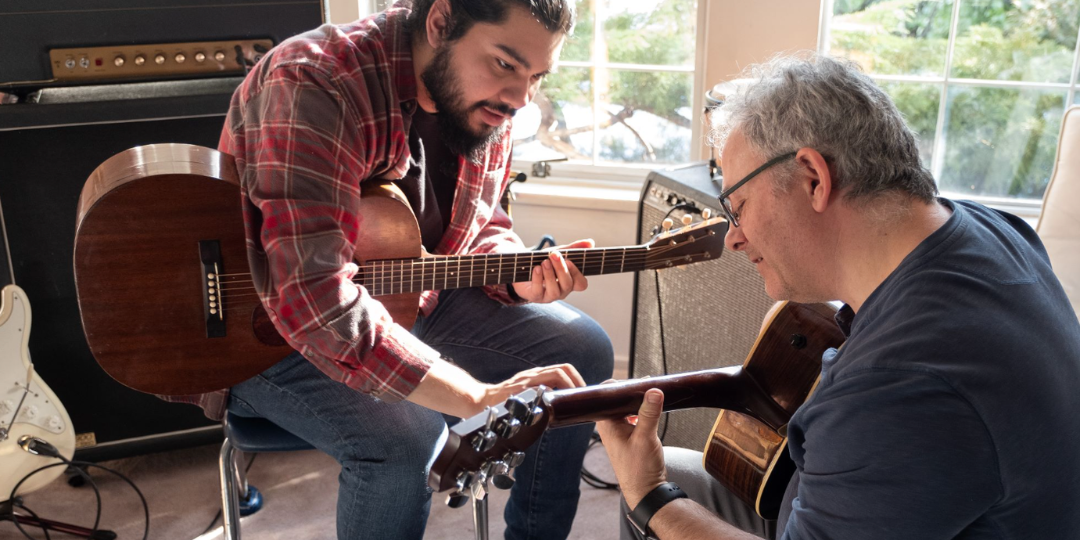
Music therapy may benefit children, adolescents, adults, and older adults, including those with:
- Autism and other neurodevelopmental conditions
- ADHD
- Anxiety, depression, and other mental health conditions
- Parkinson's disease and other neurological conditions
- Stroke and brain injury
- Dementia and other memory-related conditions
- Chronic illness or rehabilitation needs
- Communication, emotional well-being, social connection, or personal growth goals
What are the steps to enroll?
1
Step one
Complete the Music Therapy Intake Form. Once complete, you will hear from our Music Therapy Department with a Suggested Plan of Action.
2
Step two
Schedule your Music Therapy 30-minute Evaluation Lesson
The Evaluation Lesson is FREE (a $90 value) during our Priority Scheduling period (offer expires September 30, 2026)
3
Step three
Register for a series of music therapy sessions that align with the plan of action created in partnership with the Third Street Music Therapy representative. The Third Street Student Services team is available for assistance on scheduling and registration.
Music Therapy Intake Form
Thank you for your interest in the Music Therapy Program at Third Street Music School.
Please complete the music therapy intake form so we may better understand your goals, preferences, and background, and tailor sessions to meet your needs.
All personal information shared is confidential and protected under HIPAA and FERPA regulations. Information will not be shared without written consent.
(This form may be completed by the participant, a parent/guardian, family member, or referring professional.)
Music Therapy FAQs
How does music therapy differ from music lessons?
Unlike music lessons, which focus on learning musical skills, music therapy uses music to support therapeutic goals related to communication, emotional well-being, social connection, and other areas of functioning. Musical growth is often an important part of the therapeutic process, with progress measured by both therapeutic and musical goals.
What happens in a typical session?
Sessions may include singing, drumming, playing instruments, movement, listening, and songwriting. Each session is tailored to the participant’s needs, abilities, and preferences.
What instruments and materials are available?
We provide a wide variety of accessible instruments, including drums, percussion, piano, guitar, and small melodic instruments. No prior musical experience is needed.
What kinds of music are used?
All kinds, depending on the participant’s interests. Therapists may draw from folk, classical, jazz, pop, world music, improvisation, and more. Participants are encouraged to share their favorite songs, artists, and styles.
What qualifications do the music therapists have?
All therapists hold a degree in music therapy from an accredited university program, maintain Board Certification (MT-BC), and have completed supervised clinical training. Some also hold state licensure (LCAT in New York) and advanced degrees in related fields.
Is financial aid available?
Yes. Third Street offers need-based financial aid and payment plans. Families may contact the registration office for details.
Is music therapy covered by insurance?
Music therapy is not typically covered by insurance in New York. However, some families may be able to submit out-of-network reimbursement claims.
Do participants need prior musical experience?
Not at all. Music therapy focuses on expression, growth, and connection rather than musical skill.
Music Therapy Pricing Options
All music therapy sessions at Third Street are registered by semester and run for 15 weeks. Sessions are scheduled individually to best meet the needs of clients and their families. Clients may register up to 10 weeks into a semester and pay prorated tuition based on the remaining weeks. At Third Street, you can always change your lesson length and schedule.
Music Therapy 2026-2027
30-Minute Session
$110/per session
Private Session with Board Certified Music Therapist
In-Person Session at Third Street Music School
Music Therapy 2026-2027
45-Minute Session
$150/per session
Private Session with Board Certified Music Therapist
In-Person Session at Third Street Music School
Music Therapy 2026-2027
30-Minute Partner Session
$75/per session
Partner lesson with Board Certified Music Therapist (2 participants)
In-Person Session at Third Street Music School
Have any more questions?
Connect with our Student Services team to learn more about Music Therapy at Third Street.
Email: Student.Services@ThirdStreet.nyc
Phone: 212-777-3240 ext. 17